
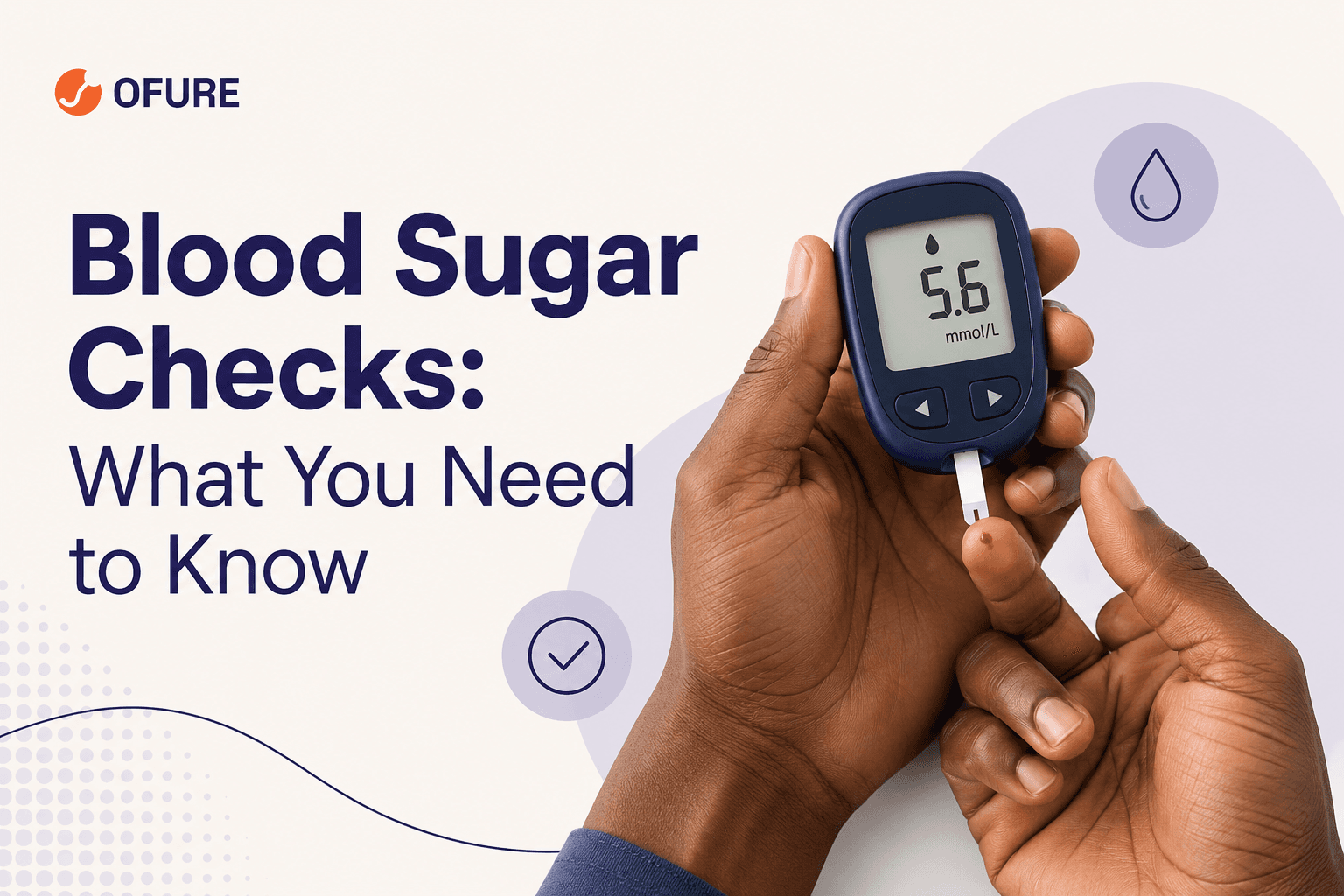
A blood sugar check measures the amount of glucose in your blood.
It can help identify whether your blood sugar is within an expected range or whether further assessment may be needed. This matters because type 2 diabetes can develop gradually and may cause few or no obvious symptoms for a long time.
In the WHO African Region, more than 24 million adults were living with diabetes, and WHO reported that around half were undiagnosed.
Why check your blood sugar?
Persistently high blood sugar can damage blood vessels and organs over time.
Diabetes can increase the risk of problems including heart disease, stroke, kidney disease, nerve damage and problems with vision. Detecting raised blood sugar gives you an opportunity to seek professional advice and take the appropriate next step.
You should not wait for symptoms before considering whether a blood sugar check is appropriate for you.
Possible symptoms of diabetes can include:
feeling unusually thirsty
urinating more often than usual
feeling very tired
blurred vision
losing weight without trying.
Not everyone with type 2 diabetes experiences noticeable symptoms.
What kind of blood sugar test might you have?
There are different ways to assess blood sugar. Two common tests are fasting blood glucose and HbA1c.
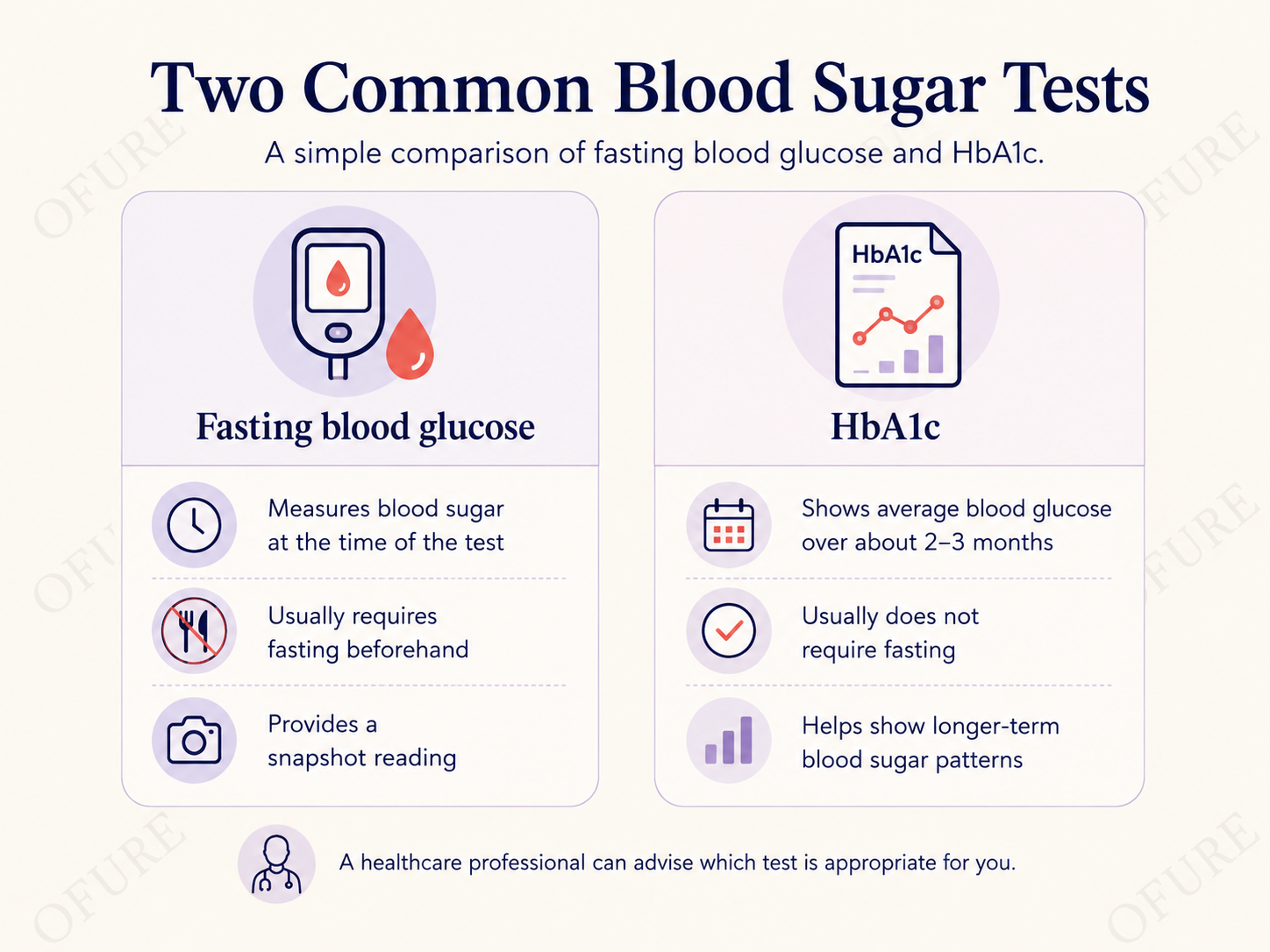
A healthcare professional can advise which test is appropriate for you and whether any preparation is needed.
What happens if your result is high?
A single high reading should not automatically be treated as a diagnosis. The next step is usually professional review and, where needed, further testing or follow-up.
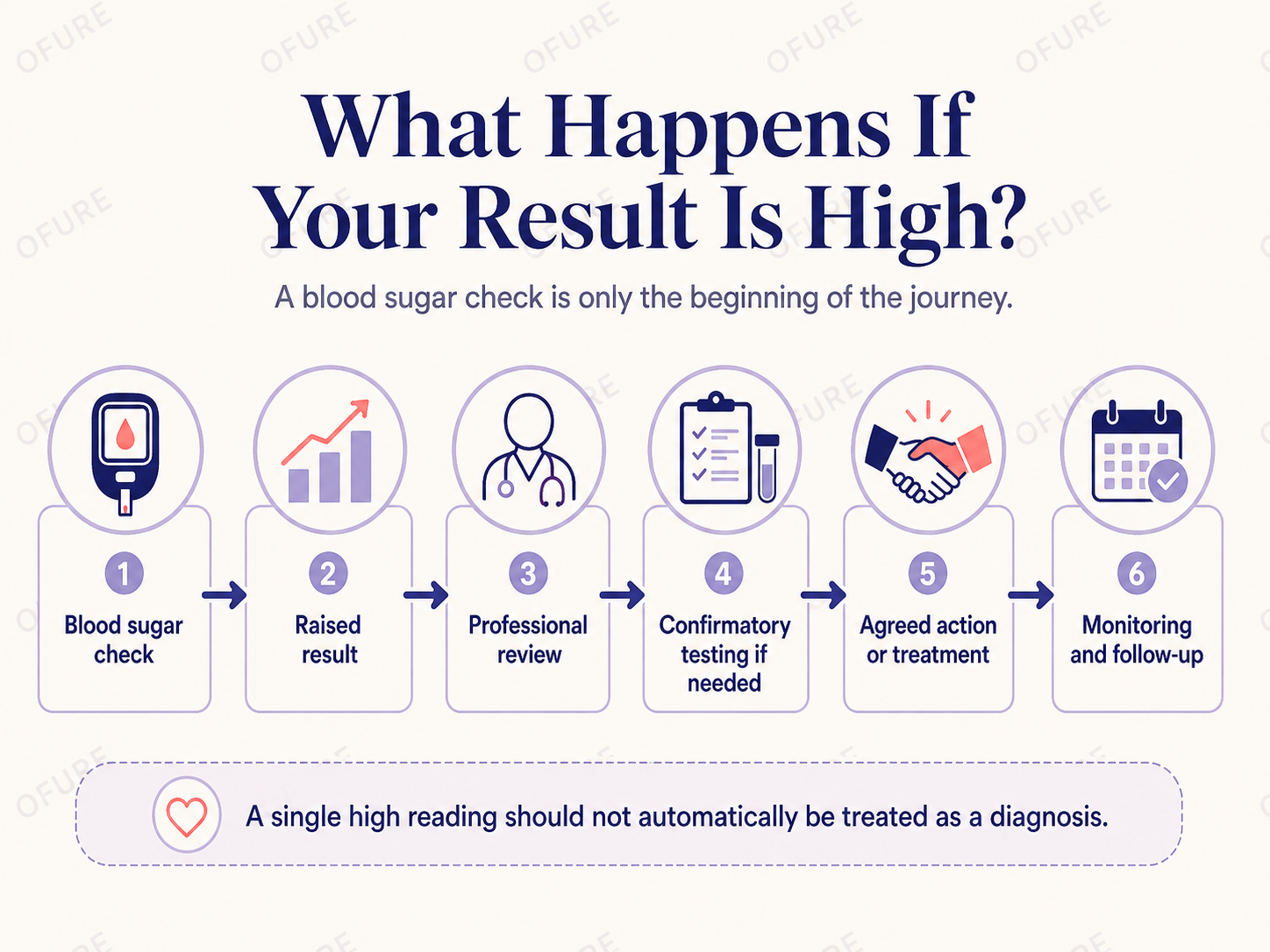
This is why a blood sugar check is only the beginning of the journey. If a result is raised, the important next step is appropriate professional review and follow-up. Ofure can help you keep track of those next actions, while diagnosis and treatment decisions remain with qualified healthcare professionals.
If you already have diabetes
Blood sugar monitoring may form part of your ongoing care, but how often you need to check depends on your treatment and individual care plan.
People with diabetes may also require regular HbA1c testing and other clinical reviews to assess how well their condition is being managed.
Follow the monitoring plan agreed with your healthcare professional rather than changing medication or treatment based on a reading yourself.
How Ofure can help
Ofure can help you move from “I should check my blood sugar” to actually completing the action.
Your blood sugar journey can help you:
learn why the check matters → find an appropriate service → complete your test → record that it was done → follow the recommended next step if needed
Ofure does not diagnose diabetes or interpret your result as a substitute for a healthcare professional.
Ready to complete your check?
Start your blood sugar journey with Ofure and follow each step from learning about the check through to completion and any recommended follow-up.
This guidance provides general health information and is not a substitute for professional medical advice, diagnosis or treatment. Speak with a qualified healthcare professional about whether you should have a blood sugar test and what your result means.